
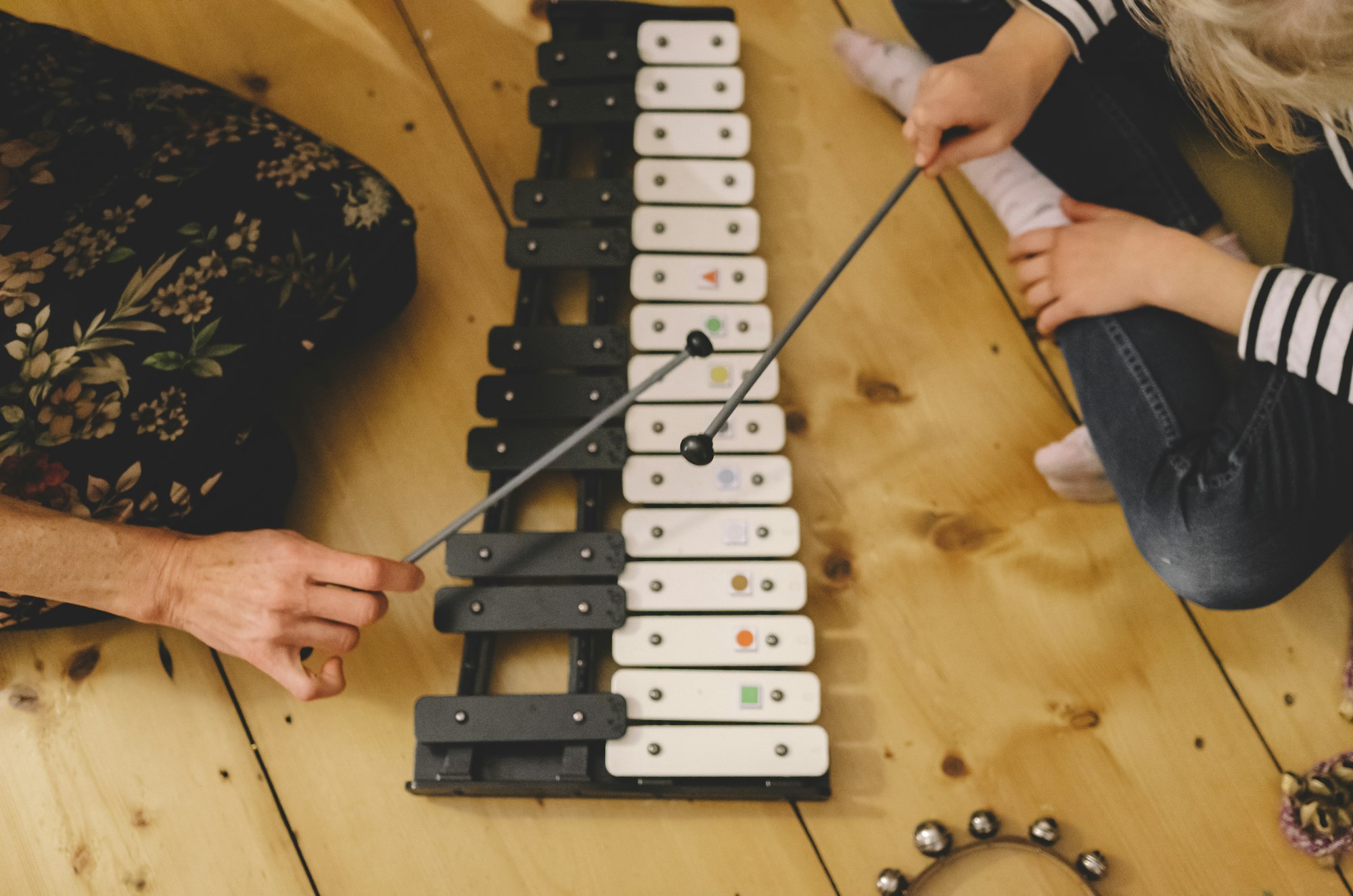
The summer break is long. School stops, therapy and other activities pause, and the days lose their shape. Then Christmas adds crowds, noise, new food, new people, presents to open and decorations that change how the house looks. For many children with autism, that’s a lot of change at once.
Here are some ideas we use in music therapy sessions that also work well at home. You don’t need all of them. Pick one or two that suit your child and your family.
Keep a few anchors
You can’t keep every routine going over the holidays, but a few fixed points in the day can help a lot. Songs are an easy way to do this. The same song at the same time each day, like a good-morning song, a tidy-up song or a bedtime song, becomes a signal for what happens next.
Use songs your child already knows and likes. You can also make up new words to a familiar tune, like “This is the way we brush our teeth”. It doesn’t need to sound good. It needs to be the same each time.
Show what’s coming
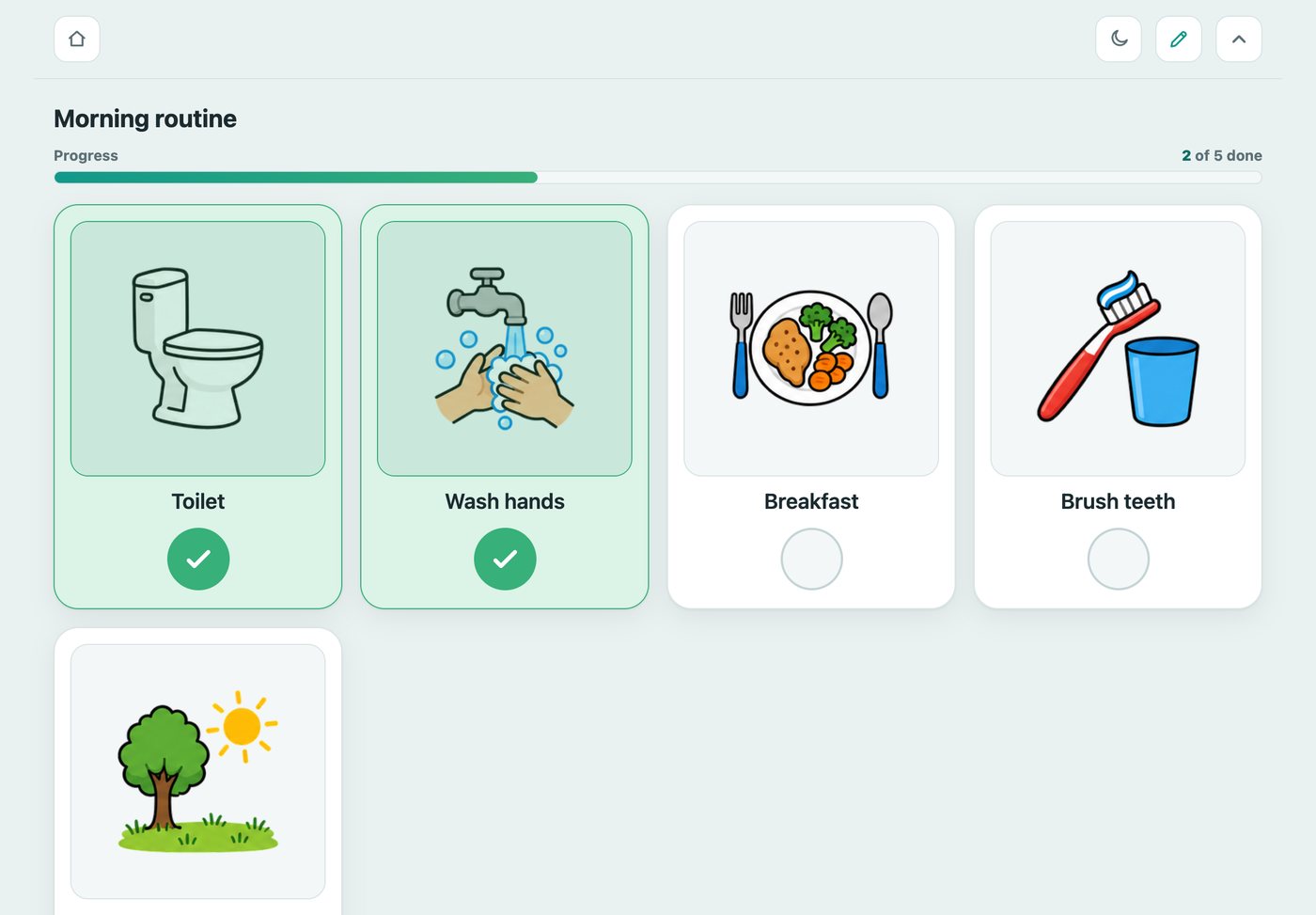
Visual supports and social stories are both on the list of evidence-based practices for autism, and they’re especially useful when the days don’t follow the usual pattern.
- A schedule for the big days. Break Christmas Day into a few steps, such as wake up, presents, drive to Nan’s, lunch, quiet time, home. Include the quiet time. Photos of the real people and places help more than generic pictures.
- A social story for new things. A short story, written from your child’s point of view, about what will happen at something new: visiting Santa, a big family lunch, fireworks at New Year. Say what they might see and hear, and what they can do if it gets too much.
Plan a quiet corner
Big gatherings are loud and busy. Before the day, find somewhere your child can go for a break, like a spare bedroom or the car, and pack headphones and some calm, familiar music. Agree on how they’ll ask for a break: a card, a sign, or a word on their AAC device. And it’s fine to leave early.
Here are two calm Christmas playlists. Christmas Peaceful Piano has no singing, which some children find easier, and Calming Carols has gentle choir versions of familiar carols. Free Spotify plays ads between songs, so try them at home first, or download them if you can.
Our Calm and focus page and Quiety app have more calm music and sounds.
Music to do together
Music can also just be something fun to do together on a slow day. For songs to sing and dance to, ABC Kids’ playlist has The Wiggles, Justine Clarke and plenty of Aussie songs about Christmas in summer.
And to play along yourselves, these books are free to download:
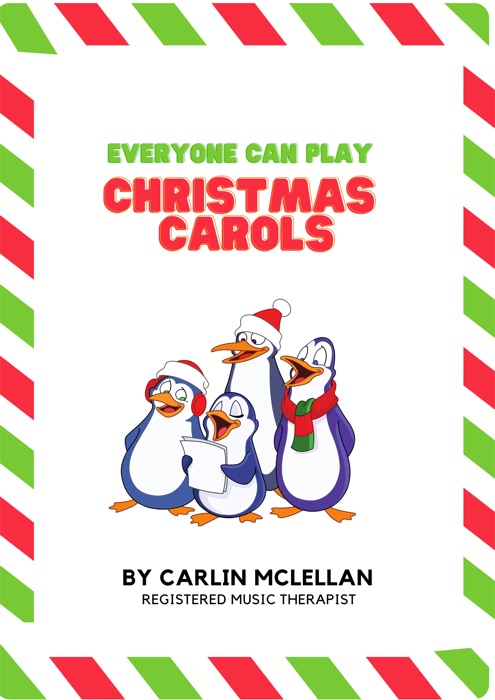
Everyone Can Play: Christmas Carols
Carols arranged so everyone can join in.
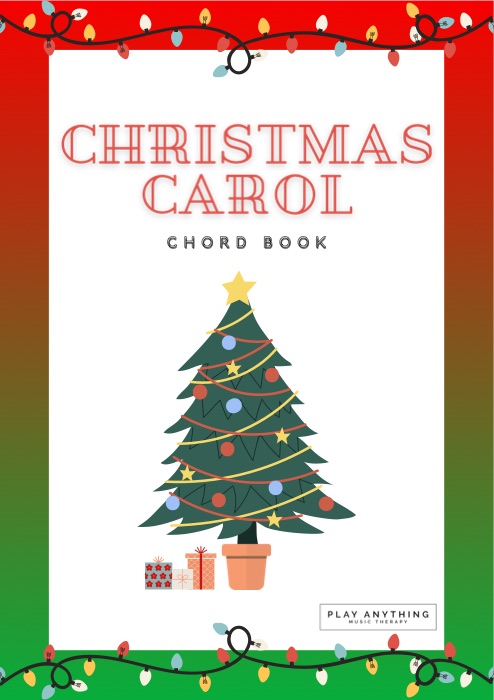
Christmas Carol Chord Book
Chords for well-known carols.
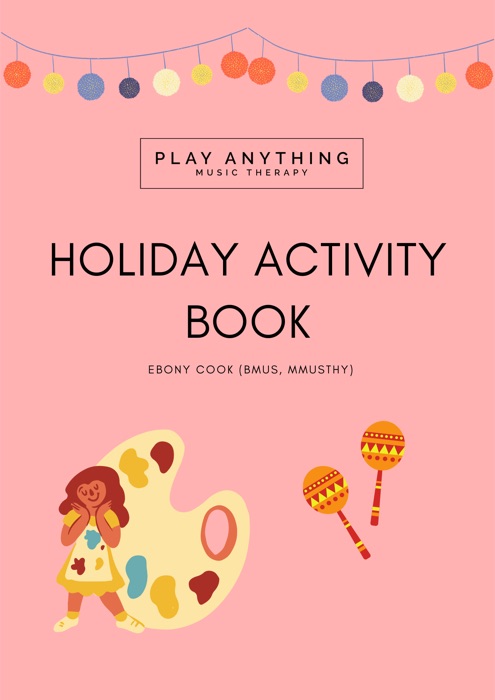
Holiday Activity Book
Music activities for the holidays, by music therapist Ebony Cook.
There are more on our Resources page.
If you’re buying an instrument as a present
Easy to get a good sound
Instruments where every note sounds nice, like chime bars, a tongue drum or a small xylophone tuned to a pentatonic scale, let your child play freely without “wrong” notes.
Think about sound and touch
Some children love loud drums. Others find them too much. A keyboard with a volume control or headphone socket, a soft shaker or an ocean drum can suit a child who is sensitive to sound.
Sturdy and simple
Look for something that can be dropped, chewed or played hard, without small parts. Fewer buttons and settings usually means more playing.
Something to share
Instruments you can play together, like a drum both of you can reach, make music something you share.
From Carlin and the whole Play Anything team, we wish you and your family a safe and happy Christmas break. See you in the new year!